Tile trends move slower than fashion, because a floor is meant to last for decades. The directions below have shown staying power. They reflect how people want to live in a space, not just what looks fresh this season, which makes them safer bets for a stocking decision.
Large formats and fewer joints
Bigger tiles mean fewer grout lines, and fewer lines make a room look calmer and larger. Formats such as 60 × 120 cm (600 × 1200 mm) and above have moved from showpiece to ordinary choice, and large slabs are used for walls, counters and feature surfaces. The same logic applies to wall tiles, where tall formats such as 30 × 90 cm and 40 × 80 cm give a clean, continuous look.
The cost of this trend is installation skill. Large tiles need flat substrates, careful handling and the right adhesive. Buyers should make sure installers are comfortable with the format before stocking heavily.
Looks and surfaces in demand
Natural stone and marble looks
Marble, limestone, travertine and slate effects remain the most reliable category. Digital printing allows convincing veining and depth in a tile that is easier to maintain than natural stone. Designs with soft, irregular veining tend to age better than dramatic, high-contrast patterns.
Browse the porcelain floor range to see how these looks are made across sizes, in the porcelain floor tiles collection.
Texture over shine
There has been a steady move from high gloss to matt, satin and textured surfaces. They are more forgiving of marks, calmer in strong light and safer underfoot. Carving, sugar and rustic surfaces add tactile interest without needing a bold pattern.
Gloss has not disappeared. It remains useful in compact rooms where reflected light helps, and in wall tiles where the surface is not walked on.
Warm neutrals and earthy colour
Pure white and cool grey have given ground to warmer beiges, sand tones, soft greys with a hint of brown, and muted greens and terracotta. These suit natural materials such as timber and linen, and they hide dust better than stark white.
For a distributor, warm neutrals in several tones form a safe core, with one or two stronger colours as accents.
Terrazzo, concrete and honest materials
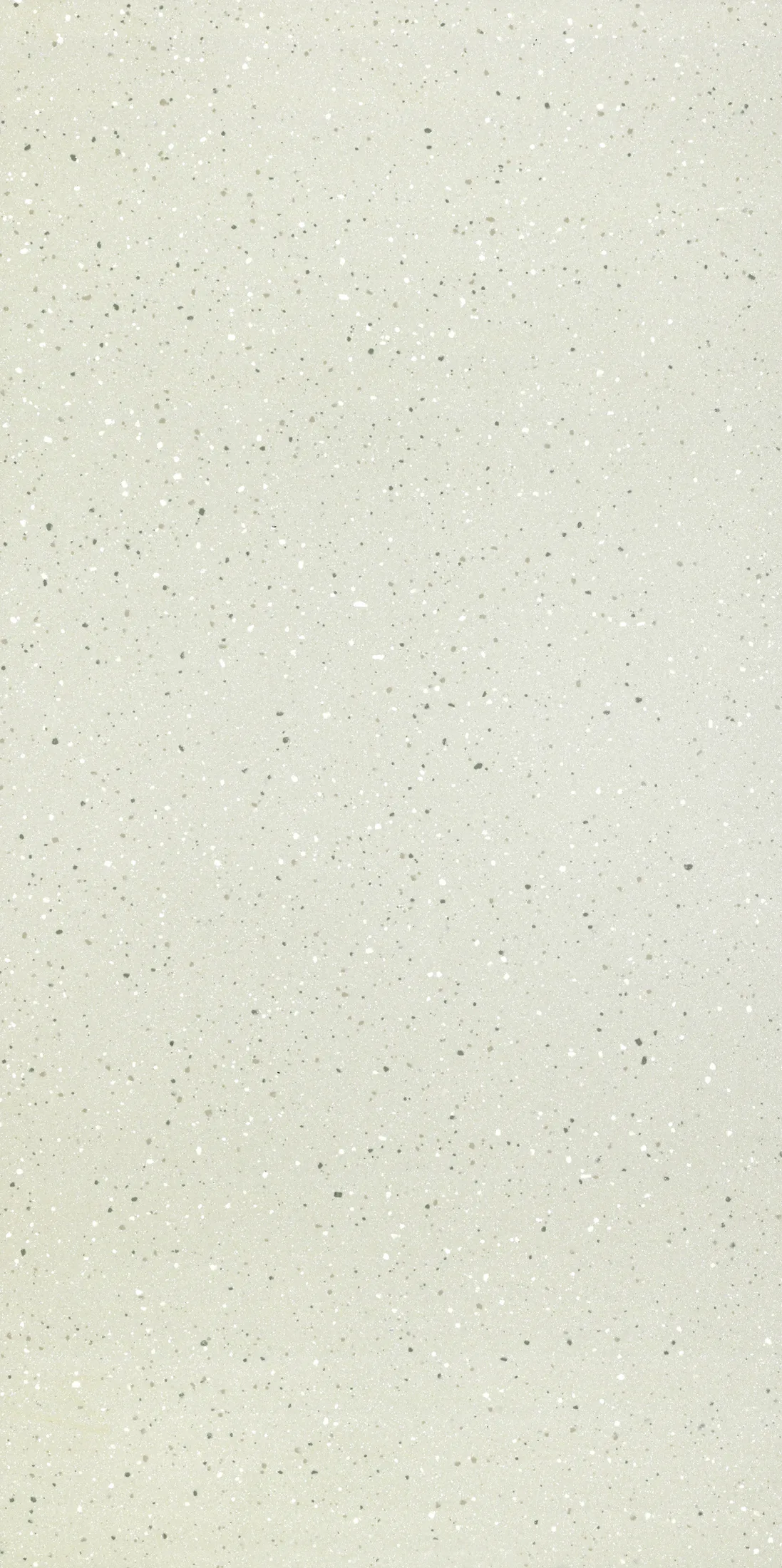
Terrazzo-style chips, concrete effects and plaster looks appeal to buyers who prefer raw, understated interiors. These designs work in homes, cafes and offices. Their appeal lies in subtle variation, so a good one looks different from tile to tile.
Wood effects with realistic grain
Wood-look porcelain gives the warmth of timber without its maintenance. The best versions have varied grain across the plank, so the floor does not look repeated. Long narrow formats such as 20 × 120 cm (200 × 1200 mm) are well suited to this look.
Small tiles and craft character
Subway tiles and compact formats have returned in new sizes and colours. Kitchen splashbacks, bathrooms and feature walls use them for a handmade, textured feel, often laid in vertical stacks or offset patterns. The subway tile range shows the sizes and finishes available.
Indoor and outdoor continuity
People increasingly want one look flowing from living room to terrace. This drives demand for matching indoor tiles and thicker, slip-resistant outdoor versions of the same design. If your market has outdoor living, ask whether a design exists in both versions.
How to stock trends sensibly
Choose lasting directions for the core of the range, and use a small share for the more experimental designs. Lumina Tile's range runs across stone, wood, concrete, terrazzo and plain looks, so a buyer can cover these themes without sourcing from several suppliers.
Reading trends without chasing them
A trend is useful when it matches your customers. Watch what architects specify, what showrooms in your area display and which designs customers photograph on their phones. Ask your supplier which designs are being requested across their other markets, and test new looks in small quantities before committing to depth.
Remember that a design trend is only as good as its execution. A fashionable pattern in a poor body, with weak packing or uneven shade, damages your reputation faster than an unfashionable one. Judge each design on its technical file and its consistency, as well as its look.
Common questions
Are large-format tiles right for every project?
No. They need flat surfaces and careful installation, and they are less practical in very small rooms.
Will matt surfaces replace glossy ones?
Unlikely entirely. Matt is more popular for floors, while glossy still suits compact rooms and many walls.
How do I know which designs will last?
Favour natural-looking patterns and neutral tones for the core, and treat bold patterns as accents.
To see which of these looks suit your market, ask Lumina Tile for design suggestions in your preferred sizes and surfaces.