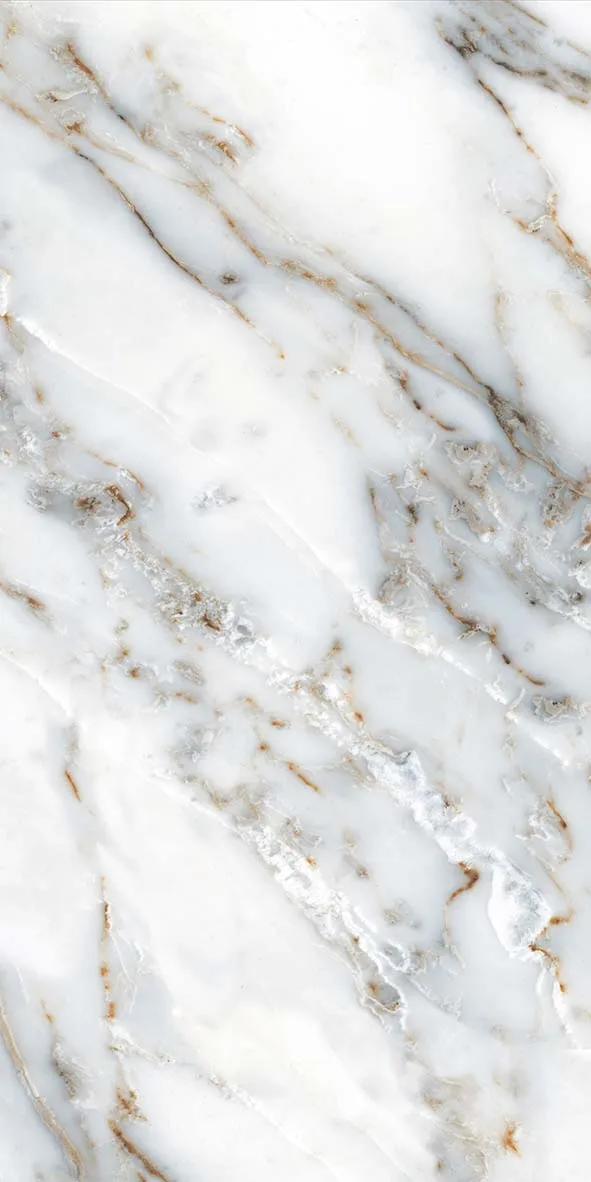
A 120 × 120 cm (1200 × 1200 mm) square is a statement. Each tile covers 1.44 square metres, and a room of 30 square metres needs only about twenty-one of them. The look is formal, calm and expensive in feel, but the format has rules. It suits some rooms and punishes others.
The specification
At Lumina Tile, 120 × 120 cm belongs to the Porcelain Floor Tiles category, offered in 8, 9, 10 and 12 mm. Available surfaces are Glossy, Matt and Carving. That is a tighter list than 60 × 60 cm, so if you want Lapato, Sugar or an R-rated surface, you will need to look at smaller sizes.
Where a big square works
- Large open rooms. Showrooms, lobbies, hotel foyers and open-plan homes. The square needs space to read as a deliberate grid.
- Rooms with few obstacles. Columns, steps and alcoves multiply cuts, and a cut 120 cm tile wastes more material than a cut small one.
- Corridors wider than 1.2 m. Narrower spaces leave awkward partial tiles.
- Clean-lined architecture. Minimalist and contemporary interiors take the format naturally.
It rarely works in small bathrooms, narrow kitchens or rooms with many niches. Choose 60 × 60 or 80 × 80 cm there.
Square versus rectangle
| Format | Feel | Cut waste | Handling |
|---|---|---|---|
| 60 × 60 cm | Neutral, familiar | Low | Easy |
| 80 × 80 cm | Open, modern | Moderate | Manageable |
| 120 × 120 cm | Monumental | Higher | Two people, lifter |
| 60 × 120 cm | Directional, flexible | Moderate | Manageable |
A square has no direction, which is why it feels still. A rectangle leads the eye along its length. If you want a room to feel wider or longer, a rectangle laid in the right direction will do more for you.
Installation: what goes wrong
Large squares are unforgiving of anything uneven. The most common problems are the same each time.
- Lippage. Neighbouring tiles at different heights. Prevent it with a levelling system and a flat substrate. A 120 cm straightedge should show almost no gap anywhere on the floor.
- Hollow spots. Voids under the tile where adhesive did not make contact. They cause cracking under point loads. Comb adhesive in both the substrate and the tile back.
- Edge chips. Corners are vulnerable during delivery and lifting. Inspect each crate on arrival and note damage before signing.
- No movement joints. Large areas need them at perimeters and at regular intervals. A tight, rigid floor will crack.
Rectified edges allow tight joints, but they also reveal calibre differences between batches. Order all the tiles for a room together from one production lot, and open cartons from different pallets as you lay.
Planning the job
Choosing a surface
Matt is the practical choice for almost every floor. Glossy gives a dramatic reflection but shows footprints, and a polished 1.44 square metre expanse needs regular cleaning to look its best. Carving adds relief that can hide wear in busy areas. Whichever you choose, ask for the technical data sheet on the design through the technical details page so you can check slip resistance and other values against local rules.
Logistics
These tiles ship in protective crates. Confirm the crate size, weight and how the container is loaded in the packaging details, and check the route into the building, including doors and lifts. A tile that cannot be carried upstairs cannot be laid. Use the tiles calculator to estimate the number of tiles, but add a more generous allowance than usual for cuts, because each broken tile costs a lot more of the budget.
Setting out the floor
With a tile this size, the layout drawing is the most important document on the job. Mark the centre of the room and test both the centre-start and the corner-start options. A centre start gives balanced cuts on opposite walls, which looks intentional. A corner start from the main entrance gives a full tile where people look first and hides the cuts in the least visible corner.
Avoid cuts narrower than about a third of a tile. Slim strips of a large tile are fragile, hard to fix and visually awkward. If the room dimensions produce a thin cut, shift the starting line until the cuts balance.
Common questions
Can a 120 × 120 cm tile be cut on site?
Yes, with a bridge saw or a suitable wet cutter. Dry cutting with a grinder risks chipping the face.
Is thicker better?
For floors, 10 or 12 mm gives a more forgiving tile. For walls, thinner options are lighter and easier to hang.
Does the size suit exports in mixed containers?
Yes. Mixed sizes and designs can share a container, so you can combine this format with others from the porcelain floor range.
If you are weighing 120 × 120 cm against other formats, send your room sizes to Lumina Tile through the contact page and we will help you compare layouts.