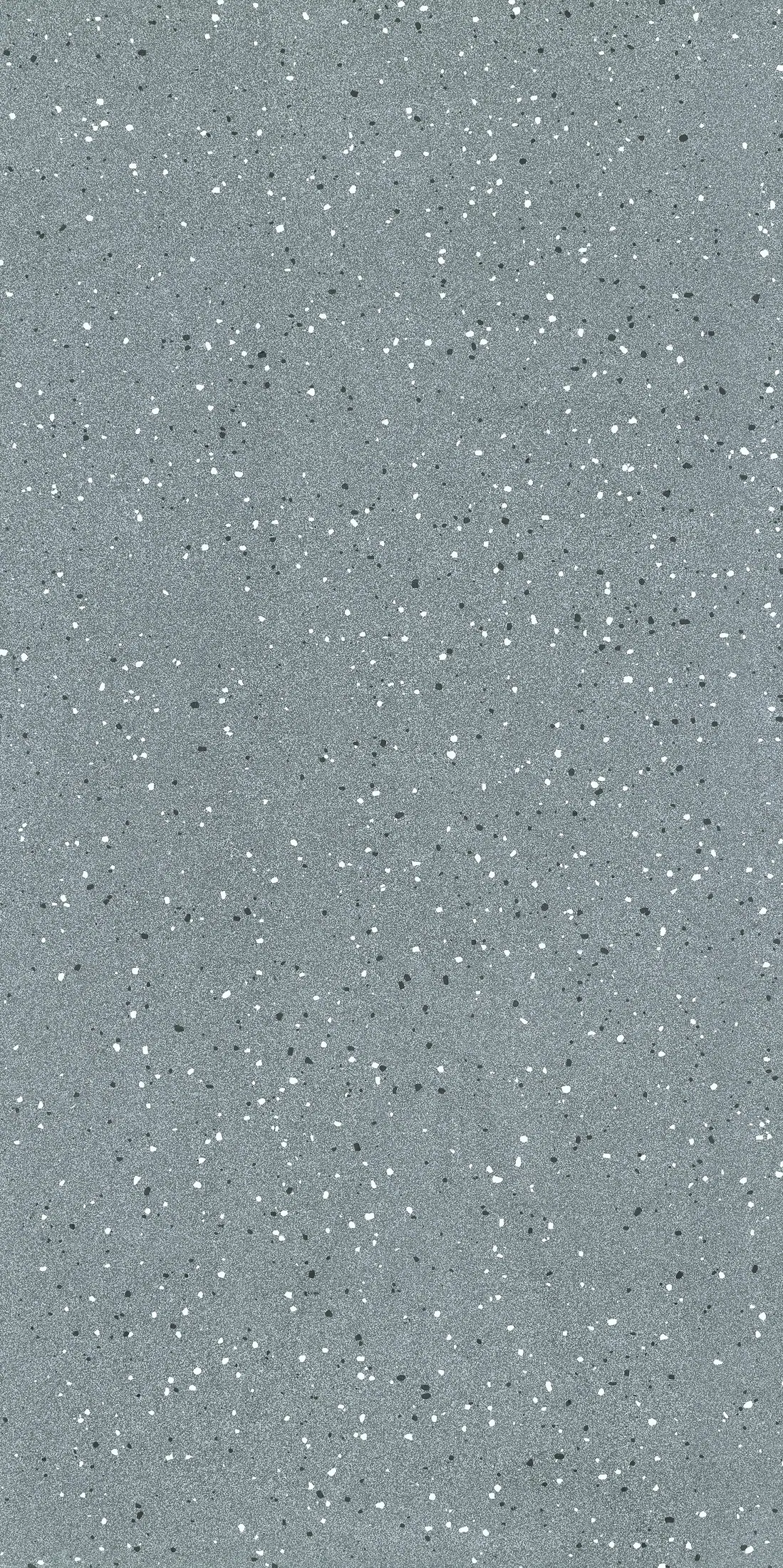
Two words appear on almost every tile packing list and are misunderstood by almost every new buyer: calibre and shade. They are the reason two boxes of the same design can look slightly different on a wall. Neither is a defect on its own, but both need managing.
What calibre means
Calibre is the actual size of a tile within a production batch. A tile sold as 60 × 60 cm (600 × 600 mm) is never exactly that size. It is made to a nominal size, and the real dimension varies by a small amount. Calibre codes group tiles that share the same real size, so an installer can lay them together with even grout lines.
When calibres are mixed on one floor, grout lines vary in width and the pattern looks uneven. This matters most with large formats and with rectified tiles laid with narrow joints.
What shade means
Shade is the colour and tone of the tile. During firing, small differences in temperature, glaze thickness and body colour change the result. A tile fired in a different run can be slightly warmer, cooler, lighter or darker than the earlier one.
Shade groups tiles of the same tone, usually with a code printed on the carton. Matching shade codes means tiles will look uniform side by side.
Why they differ and how to compare them
Why they vary
- Kiln conditions. Temperature differs slightly across the kiln and across runs.
- Raw materials. Clays and glaze components change between deliveries.
- Digital printing. Ink, head wear and calibration affect colour.
- Drying and pressing. Body shrinkage can differ by batch.
This is normal across the whole tile industry, in Italy and Spain as well as in Morbi. Good suppliers manage it. They do not pretend it does not exist.
Calibre versus shade at a glance
| Calibre | Shade | |
|---|---|---|
| Describes | Real size | Colour and tone |
| Visible effect | Uneven grout lines, lippage | Patchy or banded colour |
| Marked as | Calibre code or number | Shade code or letter |
| Fix on site | Install one calibre per area | Install one shade per area |
What to specify in your order
Put these requirements into the purchase order:
- Each design is supplied from one production batch where possible.
- Calibre and shade codes are printed on every carton.
- Pallets are grouped by code so batches do not mix.
- The tolerance for size and shade variation is stated in the grade.
Check the dimensional tolerance in the technical specifications for your category, and ask how rectified edges are handled for your size.
Repeat orders and matching
The hardest case is reordering the same design months later. A second production run will not match the first exactly unless the supplier keeps records of the original and works to a reference. Ask how repeat orders are matched before you commit, and order a little extra in the first run to cover future repairs.
Lumina Tile retains production records so that a repeat order is run against the first shipment's reference, though a small natural variation between runs remains a fact of firing.
Storing and installing
Keep cartons grouped by code in the warehouse and tell installers to open cartons from several boxes at once, laying tiles from each, which blends any slight variation. Do not mix codes on a single wall. If a project spans several rooms, use one code per room and place transitions at doorways.
Working with your installer
Tell the installer about calibre and shade before work starts, and show them the codes on the cartons. A good installer will check tiles as they open each box, set aside any that look out of range and spread tiles from several cartons across the floor to blend the finish.
If a problem appears after installation, stop work and record the carton codes. That evidence makes the discussion with the supplier faster and fairer.
Keep a short record of the codes used in each room. If you need to add tiles later, you can quote the same codes to the supplier, which improves the chance of a close match.
Common questions
Is shade variation a defect?
Not when it is within the agreed tolerance. Natural stone-effect designs are often intentionally varied, and the grade should say how much variation is acceptable.
Why does a 60 × 60 cm tile measure slightly different from its label?
Because the label is nominal. Calibre records the real size, and rectified tiles are cut to a tighter tolerance.
Where can I see designs with their size options?
The full design library lists each design with the sizes and surfaces available.
If shade matching is critical for your project, discuss it with Lumina Tile before ordering so the batch plan is built into the quotation.