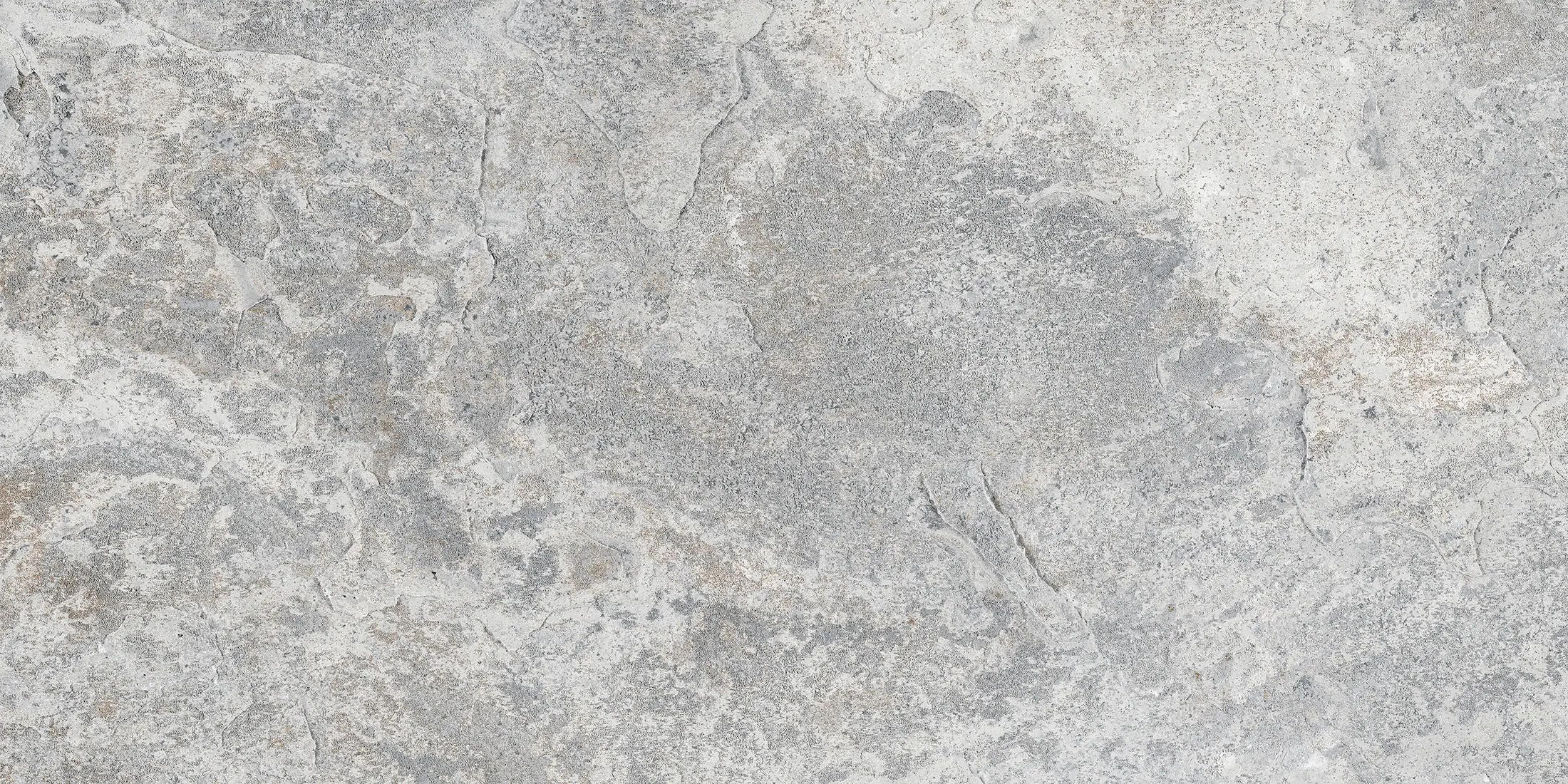
Wall tiles carry less stress than floor tiles, so the buying priorities are different. Look matters most, followed by size accuracy and weight. Getting these right is the difference between a range that sells quickly and one that sits in the warehouse.
Why wall tiles are a separate product
A ceramic wall tile is made with a softer, more porous body than a floor tile. It is lighter, easier to cut and not designed for the abrasion or load a floor sees. The thinner body also keeps the tile lighter on the wall, which helps installers working at height.
This is why wall and floor ranges are produced on different lines and often by different factories. Never assume a wall design in one size is automatically available as a floor tile, or the other way round.
The size range that sells
Lumina Tile supplies ceramic wall tiles in 20 × 30 cm, 25 × 37.5 cm, 25 × 40 cm, 30 × 45 cm, 30 × 60 cm, 30 × 90 cm and 40 × 80 cm, in thicknesses from 7–9 mm. Glossy and matt surfaces are available in every size, and the 30 × 60 cm (300 × 600 mm) size also comes in carving and sugar finishes.
The smaller sizes suit kitchens, bathrooms and compact rooms. The taller formats, such as 30 × 90 cm and 40 × 80 cm, give a modern, fewer-joints look and suit feature walls and larger bathrooms. See the full selection under ceramic wall tiles.
Surfaces and what they do on a wall
| Surface | Look | Practical note |
|---|---|---|
| Glossy | Bright, reflective, brightens small rooms | Shows streaks and light glare |
| Matt | Soft, natural, contemporary | Hides marks, easy to coordinate |
| Carving | Textured relief, depth and shadow | Adds character, needs more careful cleaning |
| Sugar | Fine grain, subtle sparkle | Good for decorative feature walls |
Build a range, not a list
Wall tiles rarely sell alone. Customers buy a main tile, a border or accent and often a coordinating floor tile. When you plan your import, think in sets:
- A plain or light base design in a larger format.
- A pattern, marble look or textured accent in the same size family.
- A strip or decorative option for borders and feature areas.
This approach makes your showroom easier to sell from and reduces dead stock. The full design library lets you view sets side by side before you commit.
Check these details before approving the order
- Edge type. Rectified edges allow tighter grout lines and a cleaner finish. Pressed edges are more forgiving but need wider joints.
- Calibre. Size consistency affects how well the tiles line up. Ask how it is checked.
- Shade. Confirm how batches are marked so installers can keep one batch per wall.
- Flatness. Warped tiles are visible on a wall, especially in glossy finishes.
These are quality points, and they should appear in your written grade, not just in conversation.
Packing and breakage
Wall tiles are thinner, so packing quality has a direct effect on breakage. Ask how cartons are built, how pallets are wrapped and what protects the corners. Packing per size is listed on the packaging details page, and your quotation will confirm the final figures for your order.
Think about installation and adhesive
Wall tiles are only as good as their fixing. Heavier tall formats need a suitable adhesive and good support, and installers should follow the adhesive maker's guidance for wet areas. Tell your customers about this at the point of sale, since poor installation is often blamed on the tile.
It also helps to supply or recommend matching grout colours and trims. A wall range that comes with a clear finishing plan sells more easily than tiles alone.
Lumina Tile can advise on which wall formats pair naturally with its floor ranges, which helps you present a complete scheme instead of a single tile. Ask for a pairing suggestion when you send your enquiry, and mention the rooms your customers usually tile.
Keep a note of which wall designs have a matching floor, because customers often return asking for exactly that combination.
Common questions
Can I use wall tiles on a floor?
No, not unless the supplier confirms the product is rated for floor use. Wall bodies are not built for foot traffic and may crack or wear quickly.
Are wall tiles suitable for wet areas?
Yes, glazed ceramic wall tiles are widely used in bathrooms and kitchens. Make sure installation uses a suitable adhesive and waterproofing system for the area.
Which size should I stock first?
The 30 × 60 cm format is a flexible starting point because it comes in several surfaces and suits many rooms. Adjust once you see what your customers ask for.
To plan a wall tile range, request a quotation from Lumina Tile with the sizes and designs you are considering.