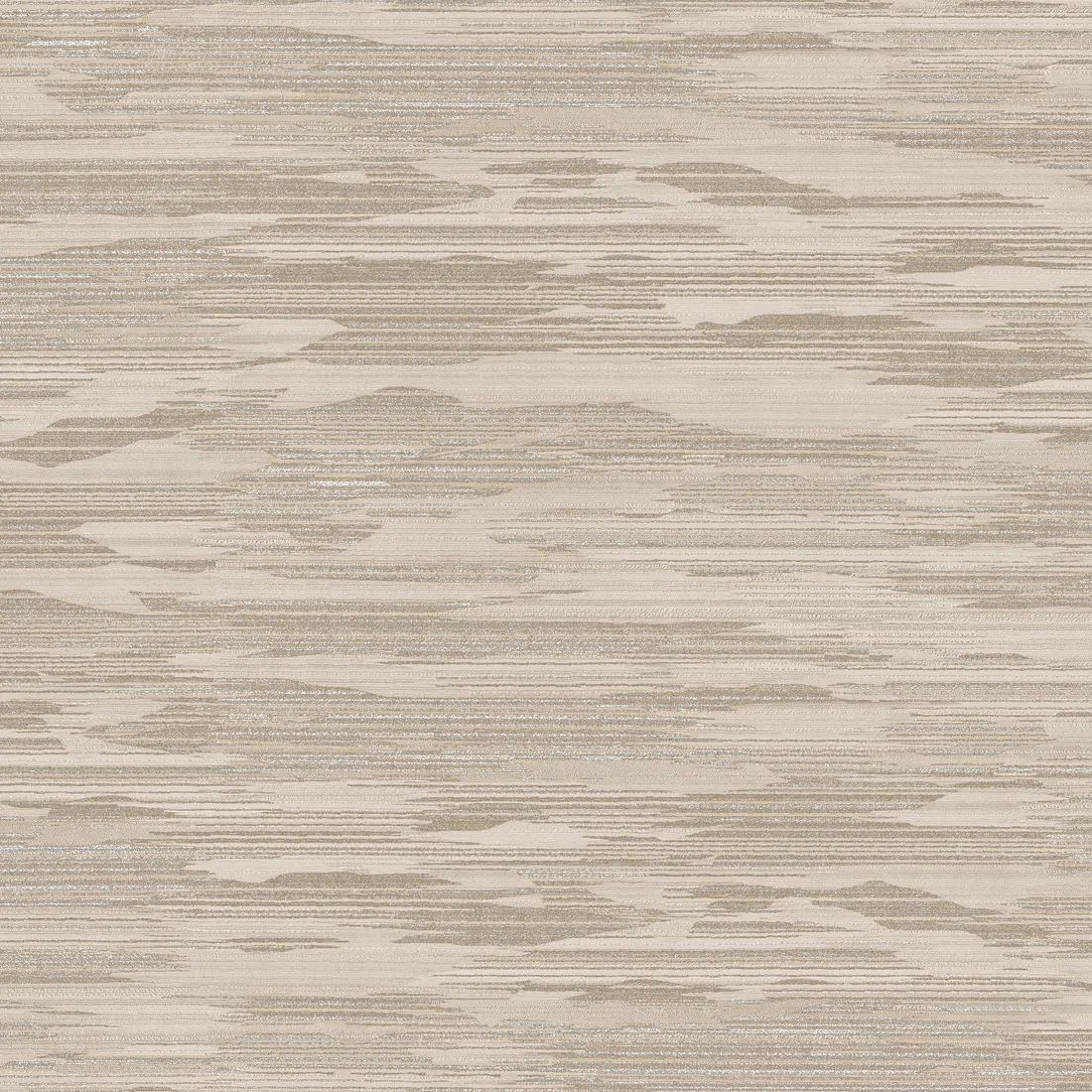
Punch finish, sometimes described as hammered or dimpled, is a surface with small, regular indentations that look as though the tile has been struck with a punch tool. The result is a tactile, light catching face that sits somewhere between a matt tile and a decorative textured one.
How it looks and feels
The dimples are shallow and evenly spread, so the tile reads as patterned rather than rough. In a single colour, punch gives a quiet geometric rhythm. In a stone, concrete or wood look design, it adds a weathered, hand worked feel without the cost of real hand finishing.
Because the surface is broken up, it scatters light. That means less glare than a glossy tile and more depth than a flat matt one. It also hides fine scratches and footmarks well, which suits busy floors.
Why designers choose it
- Texture without heavy relief: the finish is noticeable but not aggressive underfoot.
- Visual interest on plain colours: a grey or cream tile gains character.
- Light scattering: softens reflections in bright rooms.
- Practical performance: hides wear in corridors, shops and homes.
Best applications
| Space | Fit | Why |
|---|---|---|
| Hotel or restaurant floor | Very good | Adds character, hides scuffs |
| Home living area | Good | Warm, tactile surface |
| Bathroom floor | Good | More grip than a smooth tile |
| Wall cladding | Good | Gives a textured feature |
| Commercial kitchen | Less suitable | Harder to deep clean |
What Lumina Tile offers in punch
Punch is offered in porcelain floor tiles at 60 × 60 cm, 60 × 120 cm and 80 × 80 cm, and a Matt Punch surface is available in the slim 20 × 120 cm plank format. The plank is a clever choice for wood look designs, because the long format and the hammered surface together suggest old timber boards. All of these are part of the porcelain floor tiles range, with thickness choices of 8, 9, 10 and 12 mm depending on size. Check the catalogue for the current surface by size list before you plan a project.
Planning and laying
- Choose joint width with the texture in mind. A slightly wider joint hides small surface level differences.
- Dry lay a few tiles to check how the dimples line up at the joints. They are random enough that this rarely matters, but confirm it.
- Back butter larger formats so there are no voids under the tile.
- Grout in stages and clean as you go. Dimples hold grout residue if left to dry.
- Protect the surface until the floor is cured, as building dust gets into the texture.
Care and maintenance
Everyday cleaning is simple: sweep or vacuum, then mop with water and a neutral cleaner. If dirt builds up in the dimples, use a soft brush and a cleaner suited to porcelain. Avoid steel wool or hard abrasives. Wax and oily polishes fill the dimples and look patchy.
Do not assume punch finish equals a slip rating. For wet areas or ramps, request test data for the specific design and check the technical details.
Pairing punch with other surfaces
Punch is best used as the dominant floor surface and then supported by calmer partners. A matt wall in the same colour and design family quietens the room. A lapato or glossy detail strip adds contrast without competing. Avoid putting punch next to carving or rustic in the same view, since three textures in one sightline look unplanned.
For plank formats, such as the 20 × 120 cm size, stagger joints by one third and keep the grout colour close to the tile, so the hammered effect stays the focus rather than the lines between boards.
Specification checklist
- Confirm the exact surface name and size in the catalogue, since punch is offered in selected sizes only.
- Ask for slip resistance data if the floor is in a wet or public area.
- State thickness requirements, especially for floors with heavy loads.
- Plan grout colour and joint width before the tiler starts.
- Order all of one design together to keep shade consistent.
Common questions
Is punch finish the same as sugar finish?
No. Sugar has a fine, granular feel like sugar crystals. Punch has visible regular dimples. Both add grip, but they look quite different up close.
Does punch finish work in small rooms?
Yes, in light colours. Use larger tiles to avoid fussy joints, and keep walls plain so the texture is the feature.
Can it be used outdoors?
Under a roof, in dry weather, yes. For fully exposed areas, choose a purpose built outdoor tile with an R rating.
If you would like to see punch designs in the sizes your market buys, get in touch through the contact page.