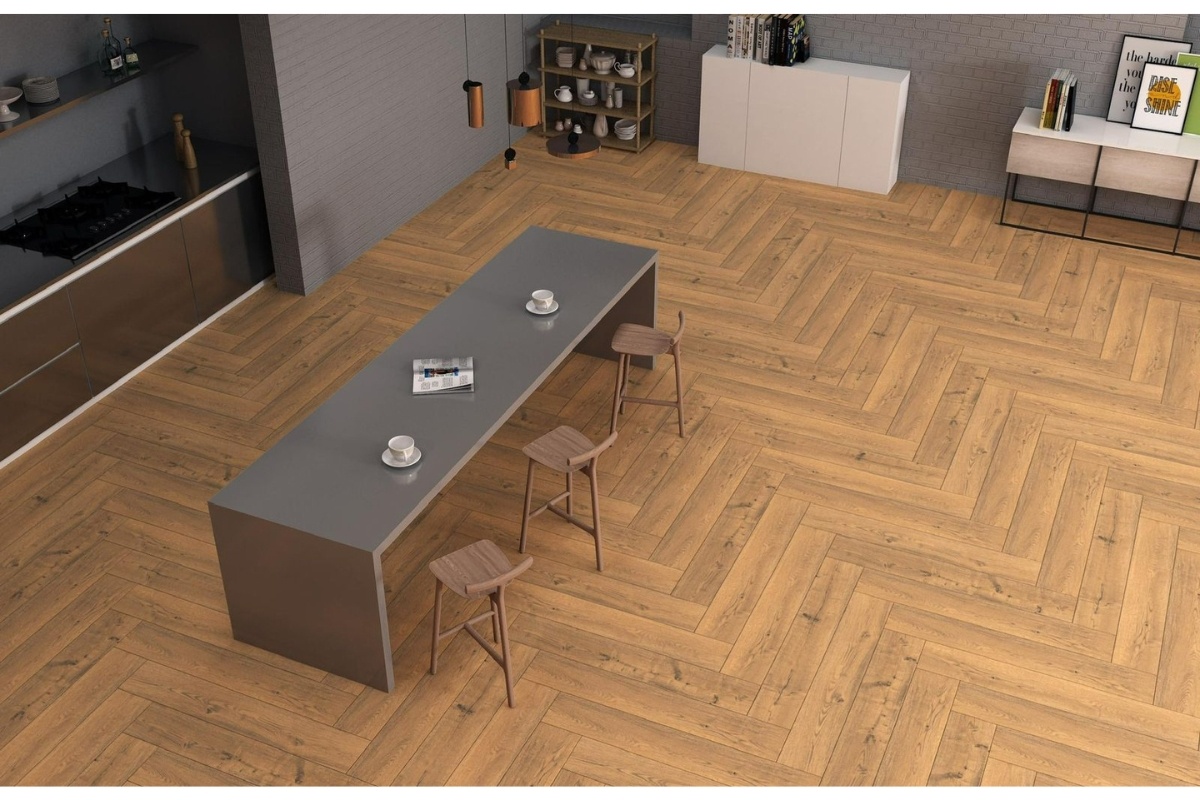
A living room floor covers the largest unbroken area in most homes, so it sets the tone for everything on top of it. Three choices shape the result: the format, the finish and the colour. Get these right and the furniture takes care of itself.
Format: bigger is usually better
In a living room, grout lines are visual noise. Larger tiles reduce them and make the floor feel continuous and calm.
- 60 × 60 cm (600 × 600 mm): the safe all-rounder. Easy to lay, easy to find, suits most rooms.
- 80 × 80 cm: a more generous look in medium and large rooms.
- 60 × 120 cm: rectangular and elegant, good for corridors that open to the living room.
- 100 × 100 and 120 × 120 cm: a premium, seamless effect in open-plan spaces, with careful installation.
Lumina Tile's porcelain floor tiles run from 30 × 30 cm up to 120 × 180 cm, so the format can match the room instead of the room matching what is available.
Finish: how the floor feels and looks
| Finish | Look | Consider |
|---|---|---|
| Glossy | Reflective, brightens the room | Shows marks, more slippery when wet |
| Matt | Soft, contemporary | Hides footprints, more practical |
| Carving | Textured to follow the design | Adds realism for wood and stone effects |
| Lapato | Part-polished, part-matt | Adds depth and a subtle sheen |
| Sugar | Fine texture | Softer to the eye, extra grip |
A glossy floor makes a small or dark room feel larger and brighter, but it demands more cleaning. A matt or soft finish suits family homes and open rooms with big windows, where glare would be a problem.
Colour: set the mood, then check the light
Light and neutral
Warm whites, creams and light greys open up space and suit most furniture. They are forgiving in rooms with limited daylight.
Mid-tones and stone effects
Beige, sand and mottled greys hide dust, pet hair and footprints well. This is the most practical range for a busy living room.
Dark and dramatic
Charcoal and deep browns create a rich, hotel-like atmosphere in large, bright rooms. They show dust and lint clearly and can shrink a small room.
Always check a tile in the room's real light. Daylight, warm lamps and cool LEDs all change how colour reads.
Pattern and style
- Marble effect: classic and elegant. Choose designs with several print faces to avoid repetition.
- Wood effect: warmth without maintenance, ideal with planks such as 20 × 120 cm.
- Concrete and stone effect: modern, relaxed and practical.
- Terrazzo: character and good at hiding wear.
Layout and detail
Run tiles in the direction of the longest view or the main light source, and plan the layout so that cuts fall at the edges and not in the centre. In open-plan homes, continuing one tile through living, dining and kitchen gives a single, spacious floor.
Use rectified tiles for narrow joints, and pick a grout colour close to the tile. Check the substrate is flat. Large formats exaggerate any unevenness, and a lippage line catches the light.
Underfloor heating works well beneath porcelain and solves the coolness of tile. Make sure adhesive and installation follow the heating system's guidance.
Rugs, furniture and lighting
A tiled living room is a canvas. Rugs break up hard surfaces, absorb sound and add colour, and they also protect high-traffic paths. Choose a floor tone that supports your furniture rather than competing with it, and remember that large, plain floors make decorative pieces stand out. Recessed lighting grazing a textured surface can reveal its depth, while strong downlights on a glossy surface can cause glare, so plan the lighting and the finish together.
Quantity and ordering
Living rooms need a reserve for cuts and future repairs. Use the tiles calculator and browse every design in the full catalogue. Order the whole room from one batch to keep shade consistent.
Check before ordering
Lay out a few tiles in the room, in daylight and at night, before finalising the order.
Common questions
Is polished tile suitable for a living room?
Yes, in dry interiors. If there are young children, elderly residents or a patio door that lets in water, choose matt or a lightly textured surface.
What size is best for a small living room?
A 60 × 60 cm or 60 × 120 cm in a light tone usually works. Very large formats suit larger rooms.
Will tile feel cold?
It conducts heat, so it can feel cool. Rugs and underfloor heating solve this without giving up the benefits of tile.
If you are supplying tiles for residential developments, ask Lumina Tile about format and finish options through the contact page.