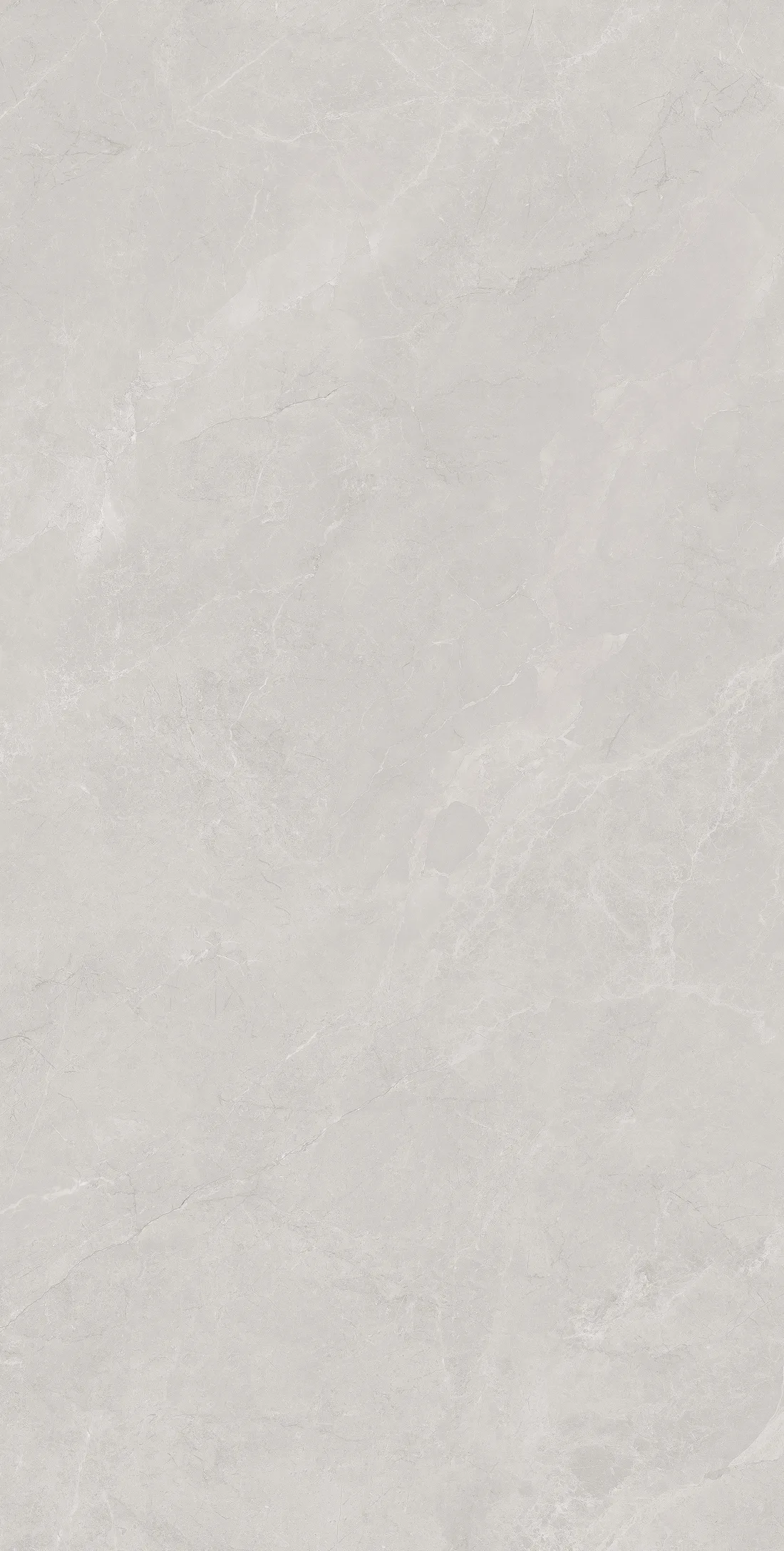
Ceramic floor tiles are the workhorse of the Indian export range. They suit homes, rental housing, shops and many commercial interiors, and they are available in a wide spread of designs. Importing them well comes down to a handful of decisions made before you place the order.
Know what ceramic floor tile means
A ceramic floor tile has a fired clay body with a glazed surface. Compared with porcelain, the body is generally more porous, which makes it easier to produce at scale and well suited to light and medium residential and commercial traffic. It is not the first choice for wet outdoor areas or heavy industrial wear.
Lumina Tile's ceramic floor range covers 30 × 30 cm, 40 × 40 cm, 50 × 50 cm and 60 × 60 cm (300 to 600 mm square), in thicknesses from 7–12 mm. Glossy and matt surfaces are available across the range, and the 60 × 60 cm size also comes in carving, sugar and rustic finishes. You can view them under ceramic floor tiles.
Choose the size for your market
Size preferences differ by country and by the type of building. Smaller squares such as 30 × 30 cm and 40 × 40 cm remain common in bathrooms, balconies and budget housing. The 60 × 60 cm format is the general-purpose standard for living areas and shops because it gives a clean look with fewer grout lines.
Think about your stock. Carrying too many sizes ties up capital, while carrying too few loses sales. Many importers start with one or two sizes in a mix of light, mid and dark designs, then widen the range after seeing what sells.
Pick surfaces by room, not by photograph
- Glossy. Bright and reflective. Good for living areas, but it shows marks and can be slippery when wet.
- Matt. Softer and easier to live with in most rooms.
- Carving. A textured relief that adds grip and a stone-like feel.
- Sugar and rustic. A rougher grain for a natural, hand-finished look.
Match the surface to where the tile will be installed. A glossy finish in a bathroom floor is a customer complaint waiting to happen.
Plan the order process
- Define the specification. Size, thickness, surface, design list and grade.
- Request a quotation. State your destination port and preferred Incoterm.
- Confirm packing. Check the carton and pallet details for each size on the packaging details page.
- Approve the design list and shipment plan. Confirm the dispatch window in writing.
- Prepare to receive. Arrange your customs broker, unloading and storage.
Handle the details that cause trouble
Ceramic floor tiles are heavy for their volume, so your inland haulage and unloading plan matter as much as the sea freight. Check that your receiving yard can handle palletised cargo and that your forklift capacity suits the pallet weight, which your supplier can confirm for each size.
Shade and calibre are the other common issue. Tiles from different production runs can differ slightly, so ask how the supplier groups and marks batches, and keep batch markings when you store the tiles. Never mix batches on a single installation unless the supplier confirms they match.
Check the paperwork early
Ask the supplier for the standard document set and confirm with your customs broker what your country requires. Some markets also require conformity or testing documents tied to specific standards. Raise this before production, because a missing document can hold a container at the port.
Plan storage and onward sales
Once the container arrives, tiles need a dry, level storage area with pallets kept off the ground. Do not stack opened pallets, and keep cartons grouped by design and batch. If you sell to builders, keep a small reserve of each design for top-ups, because a later order may not match the first exactly.
Think too about how your customers will find the stock. A clear label on each bay and a short note of the recommended use, such as interior floors only, saves misselling and returns.
Common questions
Can ceramic floor tiles be used outdoors?
Usually not. Their body absorbs more water than porcelain, and glazed surfaces can be slippery. For terraces and patios, an outdoor porcelain tile with an R-rated finish is the safer choice.
How many sizes should I include in my first order?
Mixed orders are possible, so a smaller number of well-chosen sizes in several designs is a sensible start. Your sales mix and storage space should guide the final list.
How do I estimate how many tiles I need?
Use the tiles calculator to convert floor area into boxes, and add an allowance for cuts and breakage. Final quantities per carton and pallet are confirmed in your quote.
To begin an import programme, send Lumina Tile your size and design shortlist and we will respond with availability, packing and a quotation.