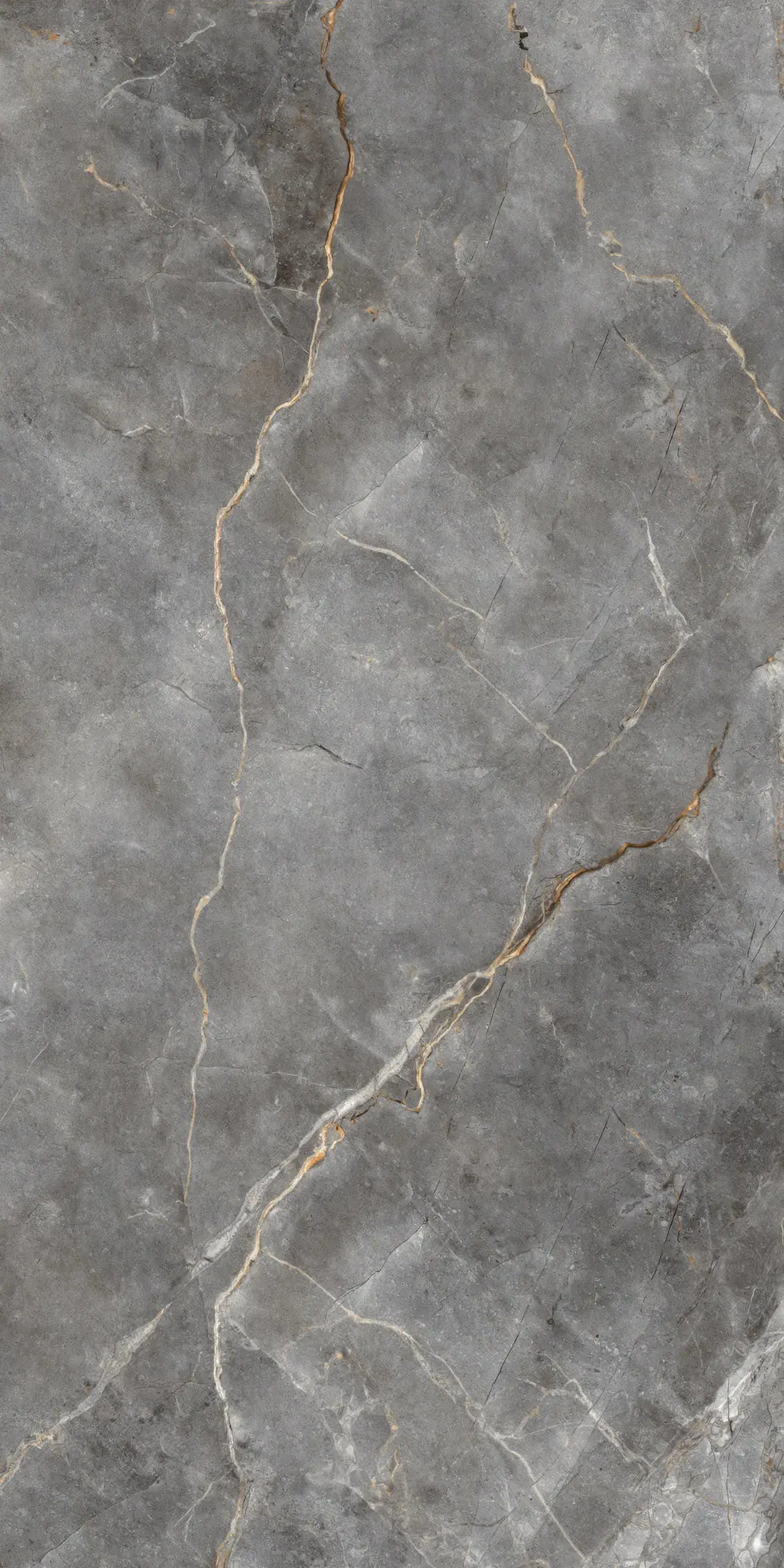
Grey has a reputation problem. Done badly, it gives hospital corridors and showroom floors that feel flat and chilly. Done well, it is the most flexible neutral in tiling, working as a backdrop to timber, colour, metal and plants. The difference lies in undertone, finish and what you put next to it.
Start with the undertone
Every grey leans slightly warm or cool. Hold a tile against a sheet of plain white paper and you will see it.
- Cool greys (blue or green leaning): crisp and modern. Good in north facing rooms only if balanced with warm lighting and materials.
- Neutral greys: true charcoal and mid grey. Safe, stable, work with any colour scheme.
- Warm greys, often called greige: a hint of brown or beige. The easiest way to make grey feel welcoming.
If a room gets little natural light, choose a warm grey and a lighter value. If it gets plenty of southern light, a cool grey will stay fresh instead of looking dull.
Five ways to warm up grey
- Add timber. Oak shelving, a walnut table or a wood look skirting break the coolness instantly.
- Use warm lighting. Bulbs around 2700 to 3000 K make grey tiles glow. Avoid cool white LED strips on grey walls.
- Choose a textured finish. Matt, sugar or carving surfaces look softer than glossy grey.
- Add brass, copper or bronze fixtures. Metal accents bring warmth by contrast.
- Layer textiles and plants. Rugs, curtains and greenery do most of the work in living areas.
Grey by room
| Room | Grey idea | Finish |
|---|---|---|
| Living room | Warm grey stone look, 80 × 80 cm | Matt or carving |
| Kitchen | Mid grey floor with white walls | Matt |
| Bathroom | Pale grey wall, darker floor | Matt walls, sugar floor |
| Office or retail | Concrete look in 60 × 120 cm | Matt or lapato |
| Patio | Slate grey outdoor tile | R-10 or R-11 |
Pattern and texture options
Plain grey is not the only route. Grey also covers stone look, cement look, slate and terrazzo designs, and each reads differently. A veined grey marble look is formal. A cement look is relaxed. A terrazzo with grey ground and white chips feels playful. Consider mixing: a plain grey floor with a patterned grey wall tile gives interest without introducing a new colour.
Large formats help here. In 60 × 120 cm (600 × 1200 mm) or 120 × 120 cm, grey stops looking like a repeated square grid and becomes a continuous surface. For feature walls, the large slab range offers sizes up to 160 × 320 cm for an almost seamless grey wall.
Colours that pair well
- Dusty pink and terracotta: warm contrast that makes grey look intentional.
- Olive and sage green: natural and calm.
- Navy and ink blue: sharp and tailored, especially with white.
- Mustard and ochre: a bright accent against a quiet floor.
- Black: for graphic bathrooms and kitchens.
Specifying grey for a market
Grey is among the most reliably popular colours across many export markets, which makes it a safe anchor in a stock programme. Lumina Tile supplies grey designs across ceramic wall, ceramic floor, porcelain floor, slab and outdoor families. Use the all designs page to compare undertones, and check the catalogue for sizes. For stock buyers, include both a warm and a cool grey in the range so customers can match different projects.
Test before you commit
Grey is the colour most affected by lighting, so test it. Place a full tile on the floor or wall of the actual room, then look at it in morning light, afternoon light and under the evening lamps. A grey that looks perfect at noon can turn blue at night. If it does, move one step warmer.
Grey in commercial interiors
Offices, clinics and shops lean on grey because it is neutral and durable. To avoid a sterile result, vary the tone within the space: a mid grey floor, a lighter grey wall and a darker grey feature. Add wood, colour and greenery, and use warm lighting in waiting and dining areas.
Common questions
Does grey go out of style?
Flat cool grey has lost some appeal. Warmer greys, stone effects and textured finishes continue to sell.
What grout colour suits grey tiles?
Match the tile for a seamless look, or go slightly darker on floors to hide dirt. Avoid white grout against dark grey tiles unless you want a grid effect.
Is grey good for small rooms?
Light and warm greys work well. Use large tiles and limited contrast to keep the space open.
If you are building a grey range, send your required sizes to the team on the contact page.