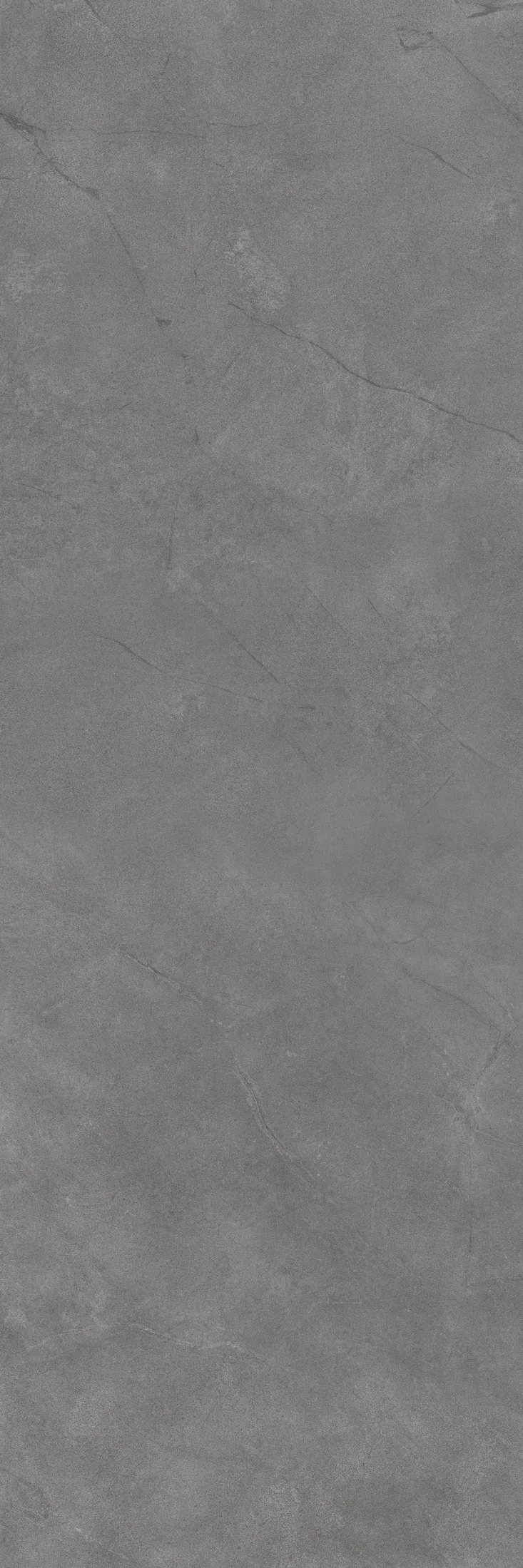
Ceramic tiles are water resistant, not waterproof. That distinction explains most bathroom leaks. The tile itself keeps water out far better than almost any other finish, but the joints and the layers underneath are where water travels.
What the glaze does
A ceramic tile has a fired clay body covered by a glaze. The glaze is glass-like and effectively impermeable. Water, spilled drinks and cleaning products stay on top, and the surface can be wiped clean.
The body underneath is more porous. Ceramic tiles generally absorb more water than porcelain, which is defined at 0.5 percent or less. With a sound glaze, the body is irrelevant on a wall. On a floor, a chipped glaze exposes it.
Ceramic versus porcelain for wet use
| Feature | Ceramic | Porcelain |
|---|---|---|
| Water absorption | Higher, porous body | 0.5 percent or below |
| Best use | Interior walls, light-duty floors | Floors, wet rooms, outdoors where rated |
| If the glaze chips | Body can absorb water and stain | Dense body resists |
| Frost resistance | Generally not suitable | Suitable if designed for it |
For shower walls and kitchen splashbacks, ceramic wall tiles are an excellent and practical choice. For wet floors, move to porcelain.
Where water actually gets through
Grout
Cement grout is porous. It absorbs water and carries it to the adhesive and the substrate beneath. Sealing it or using an epoxy or modified grout in showers reduces this.
Corners and junctions
Where wall meets floor, or tile meets a bath, there is a movement joint. Fill it with flexible sealant, not rigid grout, which cracks as the building moves.
Penetrations
Pipe holes, drains and niches are the commonest failure points. Waterproof tape and sealant around each is cheap compared with a ceiling repair.
The substrate
Plasterboard and some cement boards soften when soaked. In wet zones the wall needs a moisture-resistant board or a liquid or sheet waterproofing membrane under the tile.
Building a waterproof wet area
- Prepare a sound, flat, slightly falling floor with a slope to the drain.
- Apply a waterproofing membrane across the floor and up the walls, overlapping at corners with reinforcing tape.
- Test the membrane by flooding the area before tiling if the schedule allows.
- Bed the tile in a suitable flexible adhesive with full coverage.
- Use a water-resistant grout and flexible sealant at all junctions.
The tile is the visible, hard-wearing finish. The membrane is the real waterproofing.
Choosing ceramic for wet spaces
On shower walls and bathroom walls, glazed ceramic works well and offers an enormous range of colours and surfaces. Lumina Tile supplies ceramic wall tiles in sizes from 20 × 30 cm up to 40 × 80 cm in Glossy and Matt, with Carving and Sugar available in 30 × 60 cm.
On floors, ceramic floor tiles in Matt are fine for dry or lightly wet rooms such as a guest toilet. For a family shower floor, a porcelain with R-10 grip is a better long-term answer. Check the numbers on the technical details page before committing.
Check before you tile
Tap a few tiles from each carton and look at the cut edge of a spare. A clean, uniform glaze and a sound body show quality. Ask which tiles are rated for floors, because ceramic wall tiles are thinner and not designed for foot traffic. Confirm the grade and the intended use in writing before the order is placed, particularly on large projects, where a mismatch between wall and floor products is costly to correct.
Maintenance in wet areas
- Clean grout regularly to prevent mould, which grows on soap residue rather than on the tile.
- Replace failed silicone promptly, usually every few years.
- Ventilate. A fan removes humidity that otherwise condenses on cold tile faces.
- Reseal cement grout where the manufacturer advises.
Choosing ceramic with confidence
Ask which ceramic tiles are intended for floors and which for walls. A wall tile is thinner and not meant for foot traffic, so mixing the two up is a common and avoidable mistake on larger orders.
Common questions
Can ceramic tiles be used in a shower?
Yes on walls, provided the substrate is waterproofed. For shower floors, porcelain with a slip-resistant finish is preferable.
Do ceramic tiles need sealing?
Glazed ceramic does not. The grout between them may, depending on the type used.
Why did my bathroom leak if the tiles are intact?
Almost always because water passed through grout or a failed joint into an unprotected substrate. The tile surface was fine.
If you are specifying for a wet area project, share the layout through the contact page and Lumina Tile will match the tile type to each zone.